Description
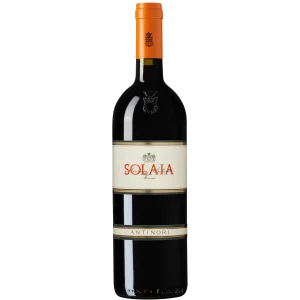
ClimateThe season was characterized byan autumn and a winter which were not particularly cold and with little rain, conditions which favoured aslightly early bud break compared to the preceding vintages. Spring,and the firstvegetation, saw the appearance of extremelyadverse meteorological conditions, with abundant and continuous rainfall until the end of May which caused a slowing of plant growth,aslowing which, nonetheless, did not have harmful effects on vine health. June and July, instead, were warm and dry, while in August there was scattered rainfall which helped the vines to sustain regular growth of both the vegetation and the grapes. The months of Septemberand October were veryfavorable for harvest operations, thanksas well to temperature swings from daytime heat to nighttime coolness, optimal conditions for grape quality. Sangiovese was picked during the last ten days of September, while Cabernet continued to be harvested until the middle of October. From the very beginning of the harvest the musts showed very interesting colorsand aromas, which indicated that the vintage was ofvery high level indeed.VinificationThe favorable conditions during the harvest period permitted calibrated picking operations in the Solaiavineyard, evaluations based on ajudgment of the state of ripeness of the grapesand the differences of exposure and vigor of the variousvineyard parcels. In the light of these calculations, the grapes of each parcel were picked separatelyand by hand into small packing casesand fermented in conical sixty hectolitre oak fermenters. The grapes, once in the cellar, were destemmed and the grapes hand sorted with the objective of moving onlythe finest berries into the tanks. During the fermentation phase much care and attention was given to the extraction, using onlythe softest punching down of the cap of skinsand rack and return delestage techniques in order to fullyrespect the varietal aromasand the elevated color content of the berries. The special conical forms of the fermentersaided the extraction of sweetand elegant tannins in all three different grape varieties, Sangiovese, Cabernet Sauvignon,and Cabernet Franc. Fermentation temperatures were kept to an average of 81 Fahrenheit 27 centigradeand never allowed to rise above 88 Fahrenheit 31 centigrade in order to maintain the maximum aromatic characterand impact of the of the fruit, well present in the musts. The musts immediatelyshowed averyimportant potential in terms of color, structure,and varietal character,and when the wine was run off its skins,aftera period of skin contact which lasted from three to four weeks, it went into oak barrels, not new, with the intention of putting it through the malolactic fermentation before the end of the year. During the aging of the wine, in new French oak barrelsand fora period of eighteen months, the various lots of wine were kept separate. Regular tasting from the barrelsallowed a constant evaluation of qualityto maximize the aging phase of the winemaking process, one whose objective was to fully bring out the structure, elegance,and sweetness of the tannins. The wine was finally blended and bottled, then aged forayear in bottle before commercial release .Historical DataSolaiaisa 50 acre 20 hectarevineyard with asouthwestern exposure located atan altitude between 1150 and 1325 feet 350-400 metersabove sealeveland with astonysoil of alberese hard limestoneand galestro flaky calcareous clay rock. The vineyard is located at the Tignanello estate. The Antinori family produced this wine for the first time in the year 1978,and the initial blend was 80% Cabernet Sauvignon,and 20% Cabernet Franc,a formularepeated in 1979 as well. In the following years, 20% of Sangiovese was introduced and certain adjustments were also made in the rapport between Cabernet Sauvignon and Cabernet Franc until the current blend was settled upon. Solaiais produced onlyin exceptionalvintage,and was not produced in 1980, 1981, 1983, 1984,and 1992.Tasting NotesThe wine showsan elevated color intensity,asign which, from the very beginning, indicates its importance. The nose isample and complex, full of fruityand varietalaromasand sensations which begin with black cherriesand ripe red fruitand finish with liquorice, coffee,and toasted oak. On the palate the tanninsare supple and balanced. The wine is savoryand mineral, but softas well; itsaftertaste recalls sweet notes of cacao,vanilla,and black and red berry fruit which lingerand last. – Antinori
Reviews
There are no reviews yet.